

Sayyiduna Rasulullah صلی اللہ علیه وسلم has said,
أشد الناس بلاء الأنبياء ثم الأمثل فالأمثل (مسند البزار الرقم 1150)
“The most severely burdened with calamities (in this world) are the Prophets علیهم السلام, then those who come next to them in righteousness and prophetic conduct.”
Hazrat Mufti Muhammad Taqi Uthmāni Sahib حفظه الله has said that this Hadīth gives glad tidings for those who are facing trials and difficulties, yet they maintain their relationship with Allah Ta’ala جل جلاله. They try to overcome their challenges through dua (supplications) unto Allah Ta’ala جل جلاله for help and relief. The glad tidings in this Hadīth is with regard to those servants whom Allah Ta’ala جل جلاله has inflicted with difficulties out of His love and mercy; and not out of His displeasure and anger.
Hazrat Mufti Muhammad Taqi Uthmāni Sahib حفظه الله has said that man becomes troubled on account of sickness, poverty, debts, unemployment or household worries.
The difficulties of man can be divided into two categories; the first category of anxieties and troubles are those that fall on man by way of punishment and torture from Allah Ta’ala جل جلاله. Man shall experience the consequences of his disobedience in the Aakhirah.
So far that those who were safe and sound during their worldly life will wish that their bodies had been cut to pieces with scissors, because of the great bounties which those whom calamity befell were given.”. Man shall experience the consequences of his disobedience in the Aakhirah.
However, sometimes Allah Ta’ala جل جلاله punishes the sinners in this world also; it is stated in the Holy Qur’ān;
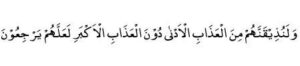
“And surely We make them taste the lighter punishment (of the world) before the heavier punishment (of the Hereafter), that they may perhaps return (to righteousness).”
(Surah as-Sajdah: V 21)
In other words, Allah Ta’ala جل جلاله inflicts on the sinners only token punishments in this world as a timely warning that they may give up their sins and take to piety and righteousness.
The second category of troubles and worries are those which Allah Ta’ala جل جلاله. inflicts on man with the intention of elevating his status and granting him reward and recompense for his troubles and worries suffered in this world.
[hr height=”30″ style=”default” line=”default” color=”” themecolor=”0″]
Some ‘Troubles’ Descend from Allah Ta’ala جل جلاله on Man as Punishment
Hazrat Mufti Muhammad Taqi Uthmāni Sahib حفظه الله has posed the question; how does one differentiate the various categories of troubles? Each category has its distinctive symptoms. There is a man who, while suffering from these troubles and worries, does not turn his attention to Allah Ta’ala جل جلاله. He begins to curse his destiny and gives up some of his daily devotional practices. Sometimes, he misses some of his daily Salaah. He resorts to all the necessary worldly measures
to get out of his difficulties, but does not turn to Allah Ta’ala جل جلاله in repentance and with supplications for relief. These symptoms are a clear indication that this individual is under the displeasure and anger of Allah Ta’ala جل جلاله.
May Allah Ta’ala جل جلاله protect us all!
[hr height=”30″ style=”default” line=”default” color=”” themecolor=”0″]
No Man Is Free From Troubles
Hazrat Mufti Muhammad Taqi Uthmāni Sahib حفظه الله has stated that it is only natural when a person loves anyone, he tries to please his beloved and provides for him ease, comfort and happiness. Similarly, Allah Ta’ala جل جلاله shall also provide ease and comfort to the person He loves. The question which people continue to ask is; how is it possible that Allah Ta’ala جل جلاله inflicts an individual with troubles, difficulties and worries when He loves and befriends him? The answer to this question is quite obvious in that there is no one in this world, not even the Ambiyaa علیهم السلام, a king, a saint or a millionaire who is immune from troubles, hardships and worries. Allah Ta’ala جل جلاله has created and planned the world in such a manner where people experience grief and joy, comfort and discomfort, health and illness, etc. This world is not a place of unending joys, nor is it a bed of roses. Permanent joy and happiness will only be available in Jannah. It has been stated in the Holy Qur’ān;
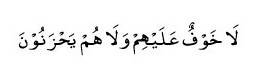
There will be neither any fear or grief (in Jannah).
(Surah Baqarah: V 38)
With regards to the world, Allah Ta’ala جل جلاله has created it in such a manner where man will at times experience joy and comfort, and at times he will face grief and hardships. This world consists of opposites; man experiences hot and cold, shade and sunshine, etc. It is therefore impossible that a man should remain in this world free from worries and adversities. It is thus the order of Allah Ta’ala جل جلاله that man experiences contrasting moments of ease and adversity; this is in essence the nature of this world.
[hr height=”30″ style=”default” line=”default” color=”” themecolor=”0″]
‘Troubles’ are also Due to the Mercy of Allah Ta’ala جل جلاله
Hazrat Mufti Muhammad Taqi Uthmāni Sahib حفظه الله has said that there is an individual who, in spite of his difficulties and worries, repents unto Allah Ta’ala جل جلاله , acknowledges his helplessness and makes duaa with utmost sincerity and humility for the mercy and assistance of Allah Ta’ala جل جلاله. He does not display any ‘grudge’ for the difficulty he is undergoing; yet instead of cursing his fate, he turns to Allah Ta’ala جل جلاله with Tawbah (repentance) and Zikr (remembrance). He offers his Salaah with greater sincerity, regularity and concentration.
In the case of such an individual, the troubles, miseries and worries are a source of reward. They attract the mercy of Allah Ta’ala جل جلاله; they are a sign of divine love and sympathy.
(SOURCE: ADAPTED FROM ‘SELF MANAGEMENT’ – SUFFERING, A BLESSING IN DISGUISE by Hazrat Mufti Muhammad Taqi Uthmāni Sahib حفظه الله )